Autism Puzzle Embroidery Design: A Designer’s Honest Review
First Impressions: Sweet, Symbolic, and Full of Heart
As an embroidery designer who creates custom pieces for a personalized gift shop, I was immediately drawn to the Autism Puzzle Embroidery Design. It’s soft, thoughtful, and carries a quiet emotional weight that makes it stand out from typical holiday or seasonal motifs. The design balances awareness symbolism with gentle charm, making it perfect for customers who want to express care and connection through a meaningful embroidered gift.
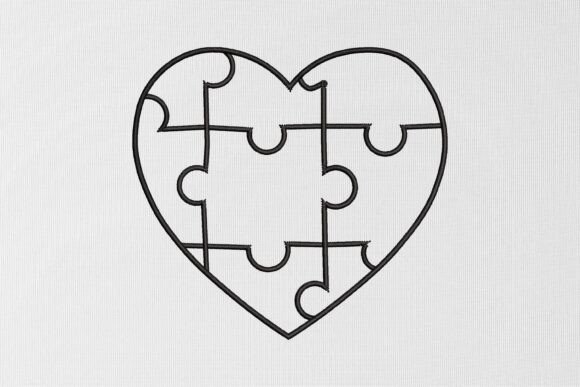
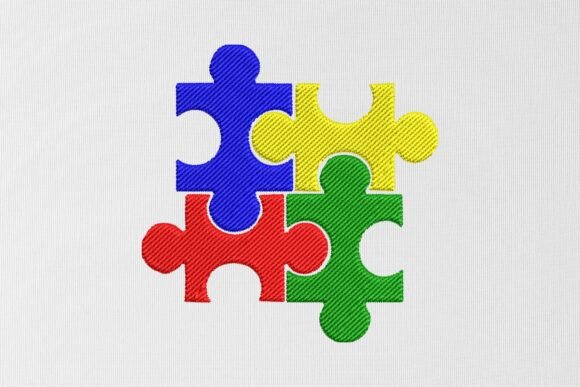
The puzzle piece is rendered in a slightly whimsical style—rounded edges, smooth lines, and just enough detail to be recognizable without feeling overly technical. It feels handmade, modern, and emotionally resonant, which is exactly what today’s gift buyers are looking for when they choose a personalized gift over something mass-produced.
Versatile Uses for a Wide Range of Personalized Products
One of my first thoughts when testing this design was how many product types it could enhance. Here’s how I see the Autism Puzzle Embroidery Design fitting into a small shop’s catalog:
- Baby embroidery – Perfect for a baby blanket, onesie, or nursery pillow, especially for families who want to celebrate neurodiversity from the start.
- Wedding gifts – A subtle touch on a hand towel or keepsake pillow adds depth and intention to a gift basket.
- Family keepsakes – Embroidered onto a memory quilt or framed hoop art, it becomes a quiet tribute to a loved one.
- Personalized towels – Works beautifully on kitchen or bath linens, especially when paired with a name or date.
- Nursery decor – Adds a gentle awareness element to wall hangings or wall pockets.
- Tote bags and aprons – Great for teachers, therapists, or parents who want to subtly show support.
- Blanket embroidery – The design scales well, making it ideal for cozy keepsakes.
- Etsy listings – This design can help differentiate your handmade product in a crowded marketplace.
Where to Use with Caution
While the Autism Puzzle Embroidery Design is versatile, there are a few situations where extra care is needed:
- Small lettering – If the design includes text, be cautious when resizing. Tiny letters can get lost or stitch poorly on certain machines.
- Delicate details – The puzzle’s subtle lines may not hold up well on textured or loosely woven fabrics unless proper stabilizer is used.
- Thick towels – Dense stitching on thick cotton can cause puckering. Test on a similar fabric before production.
- Stretchy baby clothes – Use a lightweight cutaway stabilizer to prevent distortion.
- Curved surfaces – Pillow covers or rounded tote bags may require extra hoop planning to avoid distortion.
- Dark fabric – Light thread may not show up well. Always do a mockup on both light and dark fabric before finalizing.
- Frequent washing – If used on baby items or kitchen linens, make sure the stitch density is sufficient to withstand regular laundering.
How It Enhances Gift Appeal and Customer Trust
As a gift shop owner or Etsy seller, you know that presentation and perceived value are everything. The Autism Puzzle Embroidery Design elevates a simple product into something that feels intentional and thoughtful. It tells a story before the gift is even opened.
When used in product photography, this design adds visual interest and emotional appeal. It draws in buyers who are looking for more than just a gift—they’re looking for a symbol. That emotional connection can boost buyer engagement, increase average order value, and even lead to repeat customers who appreciate your shop’s values.
For custom embroidery previews, this design works well in digital mockups. It’s clean enough to render clearly in printable mockup templates, and its awareness theme makes it a great conversation starter for customers who want to share their story through a small shop product.
Practical Embroidery Notes for Production Success
Before adding this design to your production workflow, here are a few essential checks to make:
- Test on scrap fabric – Always run a test stitch before embroidering on your final product.
- Check thread color contrast – Especially on dark or patterned fabric where subtle details might get lost.
- Confirm hoop size – Make sure your machine can accommodate the design’s dimensions.
- Review stitch density – Adjust if needed for texture or durability, especially on baby items.
- Use proper stabilizer – A medium-weight tear-away or cutaway is usually best for most home embroidery machines.
- Compare light and dark fabric mockups – This helps you visualize how the final embroidered towel or blanket will look.
- Check small details after stitching – Especially if the design includes small text or fine lines.
- Confirm commercial licensing – Before selling finished products, ensure the digital embroidery file allows for resale.
Final Thoughts: A Meaningful Addition to Your Embroidery Collection
The Autism Puzzle Embroidery Design is more than just a machine embroidery design—it’s a storytelling tool. Whether you’re creating a wedding gift, baby blanket, or custom tote, this design brings a sense of purpose and warmth to your handmade product.
For digital product sellers and craft fair product creators, it’s a smart addition to your offerings. It speaks to a growing audience of customers who want their purchases to reflect personal values and meaningful connections.
If you’re looking for a design that enhances giftability, builds customer trust, and adds emotional depth to your personalized gift line, the Autism Puzzle Embroidery Design is definitely worth considering.