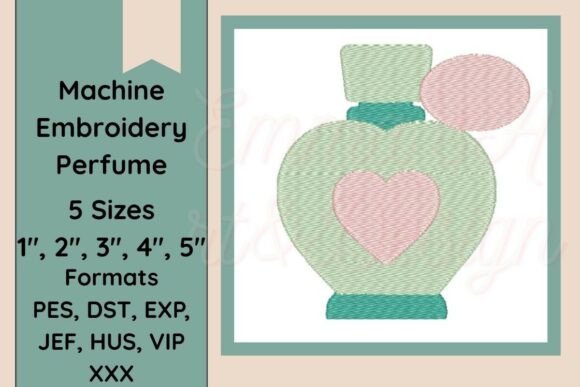
Perfume Bottle Machine Embroidery Design: A Designer’s Review for Small Business Branding
First Impressions: Elegant, Feminine, and Gift-Ready
As an embroidery designer evaluating the Perfume Bottle Machine Embroidery Design, the first impression is one of elegance and sophistication. The design title and description immediately evoke a sense of luxury, romance, and feminine charm—ideal for small businesses looking to elevate their branded merchandise with a touch of class.
From a visual standpoint, this design likely features clean lines, smooth curves, and a stylized interpretation of a perfume bottle. It reads as a decorative yet professional machine embroidery design, well-suited for businesses in the beauty, gift, or boutique sectors. Whether used as a standalone logo or an accent piece, it carries the visual weight needed to communicate quality and attention to detail.
Real-World Business Applications: From Patches to Product Packaging
Let’s break down how the Perfume Bottle Machine Embroidery Design holds up in practical, small business use cases:
- Embroidered patches – This design works beautifully as a sew-on or iron-on patch. Its elegant silhouette translates well into a wearable or sewable brand accent, especially for handmade brands, Etsy sellers, or boutique owners.
- Staff uniforms – As a chest or sleeve logo, it adds a professional, branded flair without being overwhelming. Especially effective for boutique cafes, florists, or lifestyle brands that want a soft, upscale touch.
- Apron embroidery – A perfect fit for boutique bakeries or craft studios that want to personalize staff wear with a hint of luxury.
- Cap embroidery – Ideal for front-cap branding, though designers should be cautious with size and curvature to maintain clarity.
- Tote bag design – Makes a strong visual statement when centered on tote bags, especially those used as customer gifts or event merch.
- Product packaging accents – Embroidering this design onto fabric tags or pouches adds a premium handmade product feel to small business packaging.
Where to Use with Care: Design Limitations and Fabric Considerations
While the Perfume Bottle Machine Embroidery Design offers a lot of visual appeal, there are a few production considerations to keep in mind:
- Small patch sizes – The intricate curves and details may not scale well below a certain size. Always test the design at the intended patch dimension before bulk production.
- Cap fronts and curved surfaces – Adjust the design placement and stitch density to prevent distortion on curved areas like baseball caps.
- Textured or dark fabric – The design may lose contrast or clarity on coarse materials or black uniforms. Consider using lighter thread colors or underlays for better visibility.
- High stitch density – If the file has a tight stitch count, it may affect fabric drape or durability, especially on lightweight materials. Always test on real fabric.
Brand Identity Impact: Elevating Your Visual Consistency
For small businesses, consistency in visual branding is key. The Perfume Bottle Machine Embroidery Design brings a sense of premium quality and handmade presentation that can elevate your brand identity. Whether stitched onto staff aprons or used as a custom patch on packaging, it communicates professionalism and care in your finished product.
From a customer trust standpoint, this type of design adds perceived value. It subtly tells buyers that your merchandise is thoughtfully crafted and intentionally branded. For Etsy sellers or craft entrepreneurs, that emotional connection can mean the difference between a one-time buyer and a repeat customer.
It also plays well with other design assets. When used alongside consistent fonts, color schemes, and mockups, the perfume bottle design helps build a cohesive brand story—especially during seasonal promotions like Valentine S Day, where romantic and feminine themes are in high demand.
Practical Designer Notes: What to Test Before Production
Before using this design in a commercial embroidery project, here are key steps every embroidery designer should take:
- Test in black and white first – This helps identify contrast issues or unclear outlines before committing to color threads.
- Check small patch compatibility – Use embroidery software to resize and preview how the design performs at smaller dimensions.
- Review thread color contrast – Ensure the chosen colors stand out on your fabric and match your brand palette.
- Inspect spacing and density – Overlapping stitches or overly tight areas can cause fabric puckering or stiffness.
- Confirm hoop size – Make sure the design fits within your machine’s hoop capacity to avoid distortion or trimming issues.
- Test on real fabric – Always run a sample on the actual material to check stitch quality and fabric behavior.
- Use proper stabilizer – Especially important for stretchy or textured fabrics to maintain stitch integrity.
- Create a printable mockup – Share a digital preview with clients or team members before stitching to ensure alignment with brand vision.
- Compare with other design assets – Ensure the perfume bottle design fits stylistically with your existing logos, packaging, and promotional materials.
- Confirm commercial licensing – Always check that the digital embroidery file allows for resale or branded use, especially when producing small business merch or Etsy branding elements.
Final Thoughts: A Versatile Design with Business Appeal
The Perfume Bottle Machine Embroidery Design is more than just a decorative element—it’s a strategic visual asset for small businesses aiming to elevate their merchandise and brand presence. Whether used for embroidered patches, cap designs, tote bags, or boutique packaging, it brings a sense of elegance and professionalism that resonates with customers.
For embroidery shops, apparel decorators, and digital embroidery file buyers, this design is a worthwhile addition to your creative toolkit—especially when targeting romantic, feminine, or gift-themed markets. Just remember to test thoroughly, evaluate fabric compatibility, and align it with your brand’s visual language before production.